Trebisacce overlooks the Gulf of Taranto and is located along the coastal strip that faces the plain of Sibari. The inhabited center develops between the sea and the hills behind it, in a territory that preserves significant traces of the most ancient phases of the history of southern Italy.
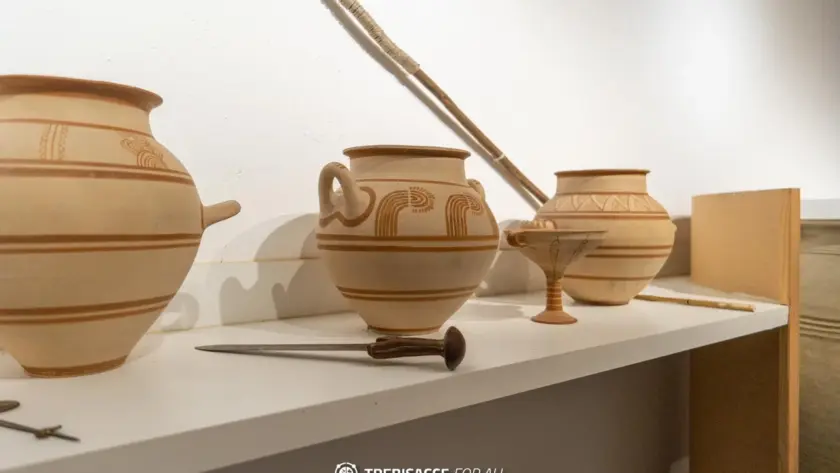
On a high ground located between…
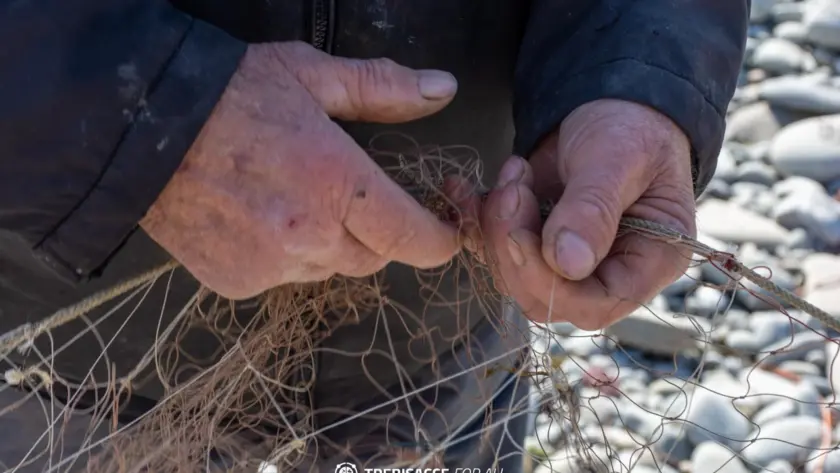
In the fishermen's district, the past is not a distant memory: it is a presence that continues to move among the moored boats and the nets laid out to dry. The low houses, overlooking the sea, tell a story made of early awakenings before dawn, of hands worn by salt, of glances that learn to…
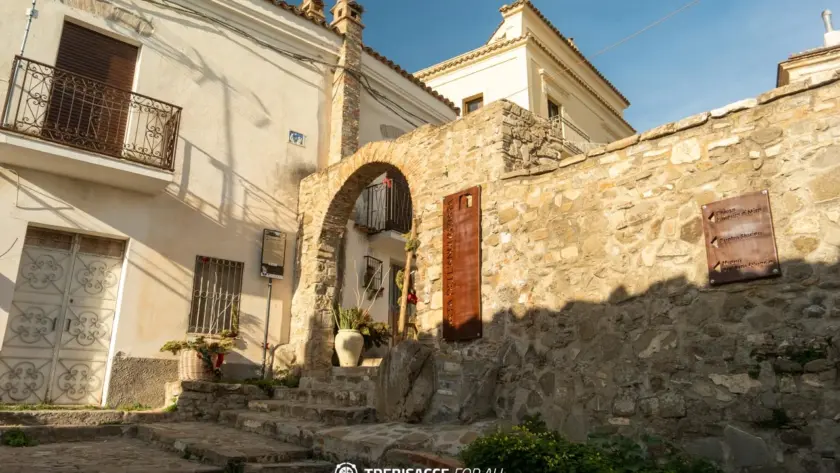
Crossing the Porta dell’Annunziata means crossing a threshold that is not only architectural, but narrative. It is the only intact gate remaining from the ancient defensive system: a precise, clear sign that identifies the historical center of Trebisacce. Built in the 16th century, it was the access towards the sea. From here passed fishermen and…
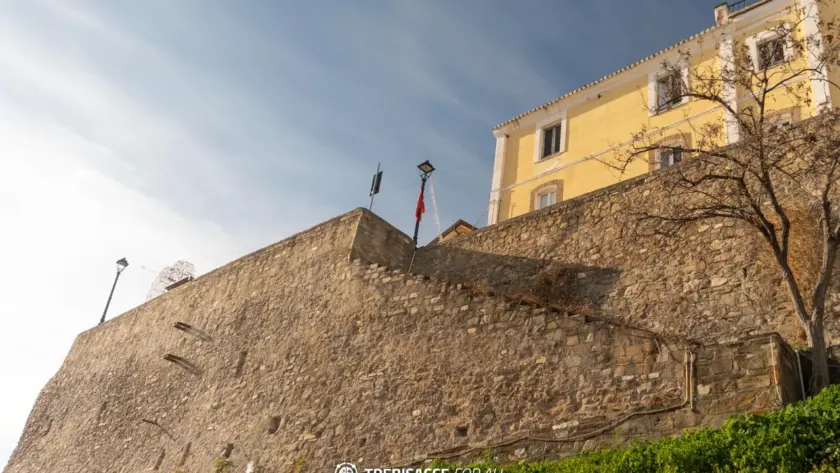
Climbing towards the Bastion, one has the feeling of changing perspective, not just altitude. It is the buttress that for centuries protected the historical center, the extreme line beyond which the horizon began. Born in the 16th century as a defensive garrison, today it guards something equally precious: the memory of the landscape and the…
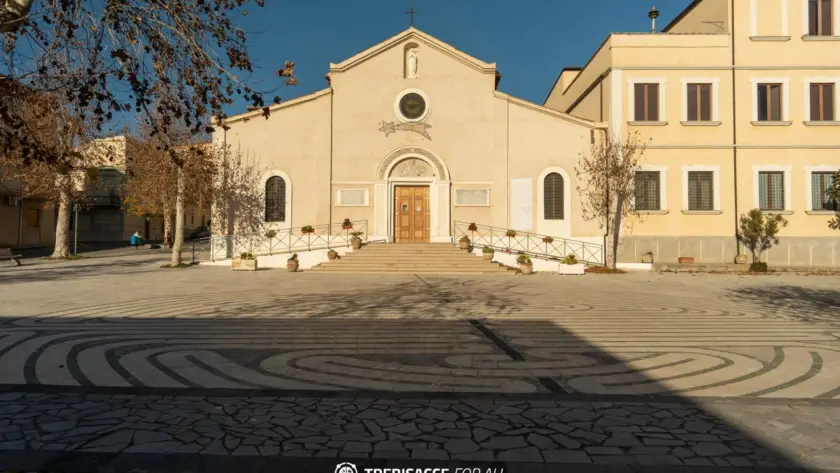
The Church of the Madonna della Pietà was born in the first decades of the twentieth century, when Trebisacce began to redesign its urban horizon, shifting its center of gravity towards the sea. It is not only a religious building: it is a sign of transformation. It is the point where the historical city and…
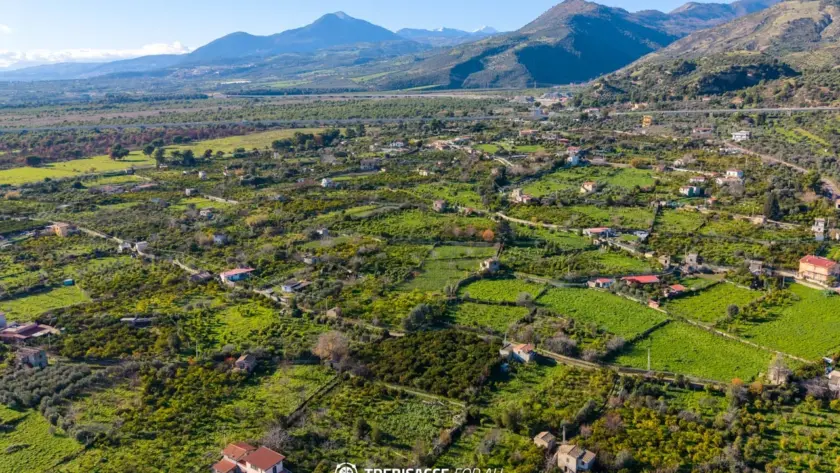
There is another Trebisacce that does not look out onto the sea but faces inland, where the earth breathes slowly and the air smells of citrus fruits. The Biondo Tardivo groves are not just cultivated fields: they are a cultural landscape, a living weave in which nature, work, and memory intertwine.
Here, the oranges ripen…
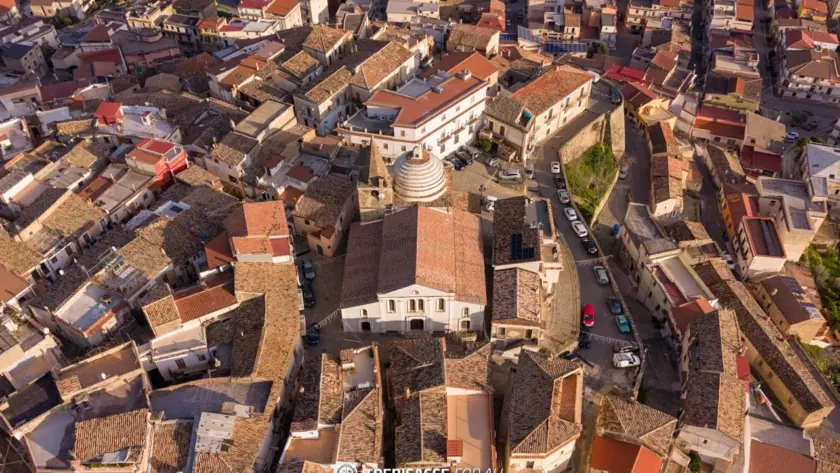
In the heart of the historical center, among the houses that look out onto the alleys like wings of an ancient theater, stands the Mother Church of San Nicola di Mira. It is not only a religious building: it is the most ancient voice of Trebisacce, the place where the city learned to recognize itself.…
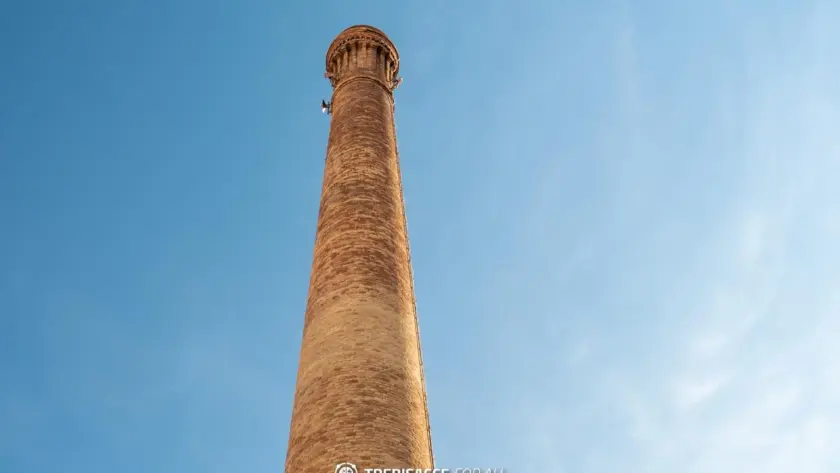
In front of the great chimney of the Fornace Aletti, one does not only observe a building: one listens to a time. It is the time of the twentieth century, when Trebisacce also enters the season of industrial modernity. The Hoffmann kiln, technologically advanced for the era, worked without pause, transforming the clay extracted from…
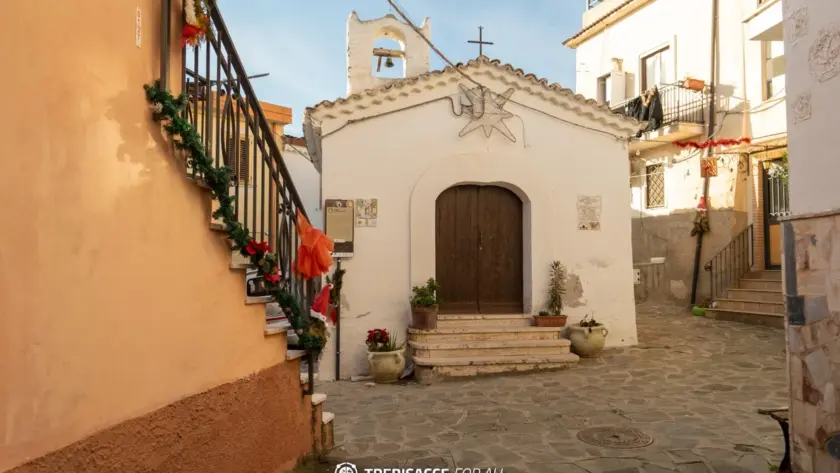
In the heart of the historical center, among alleys that seem to hold back one's step and breath, a small door opens. It is the Chapel of Sant’Antonio Abate. Small, yes. But capable of containing a world.
Entering, one has the feeling of being in a microcosm of popular devotion: every object is memory, every…
There are places where time is not measured with the clock, but with gestures. Squeezing. Grinding. Waiting. In the "Ludovico Noia" Olive Oil Museum, time has this concrete, almost physical consistency: it is the slow rhythm of the oil mill, the weight of the stone millstones, the scent of the new oil that marks the…