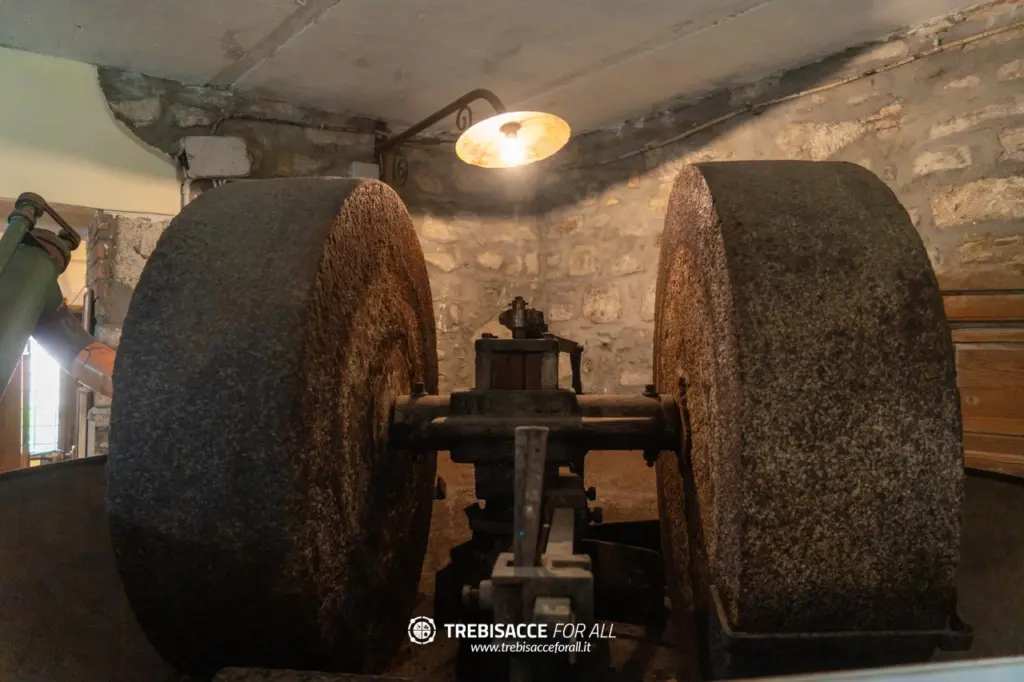
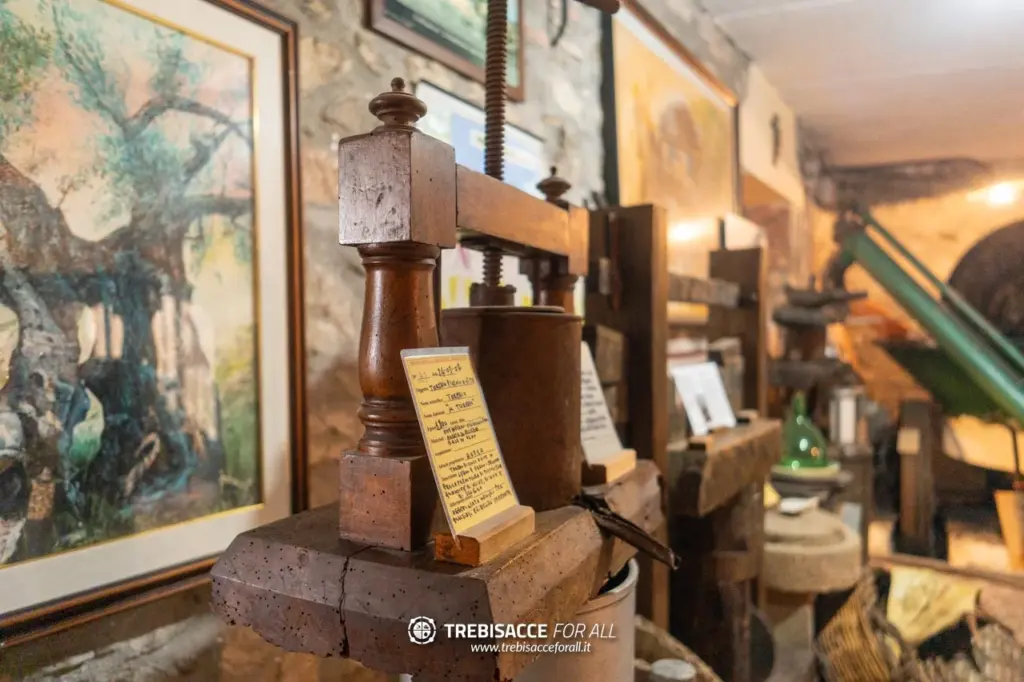
There are places where time is not measured with the clock, but with gestures. Squeezing. Grinding. Waiting. In the “Ludovico Noia” Olive Oil Museum, time has this concrete, almost physical consistency: it is the slow rhythm of the oil mill, the weight of the stone millstones, the scent of the new oil that marks the autumn of the Upper Ionian.
This museum is not a simple exhibition space. It is a living narrative. Named after Ludovico Noia – a passionate custodian of local memory – it was born from the desire not to lose a heritage made of peasant knowledge, practical intelligence, material culture. Because producing oil, in Calabria, has never been just an economic fact but also one of identity.
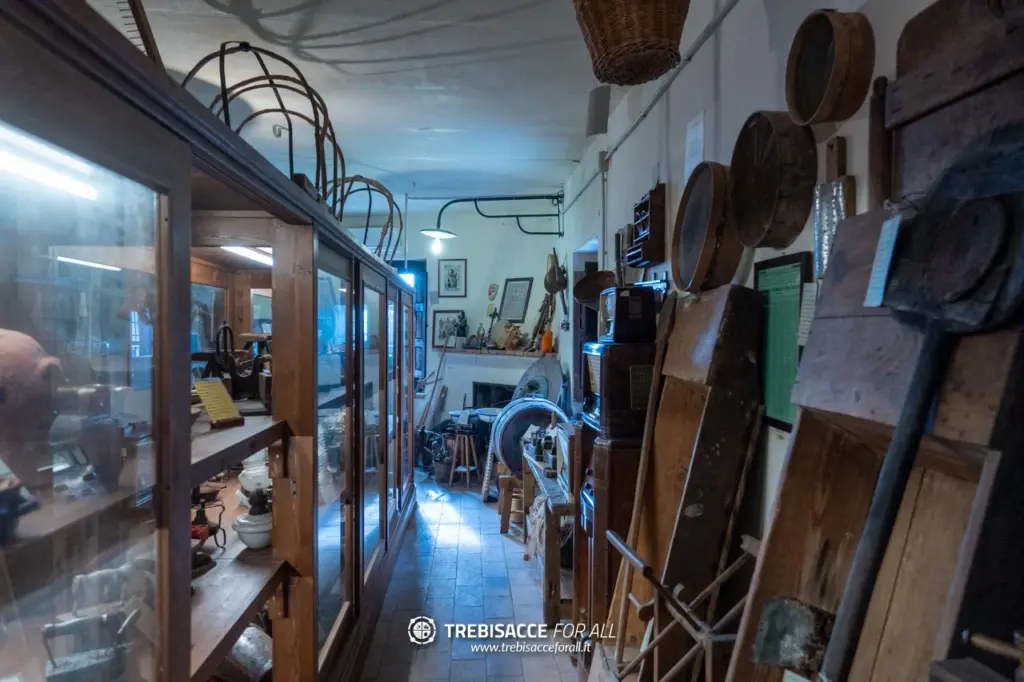
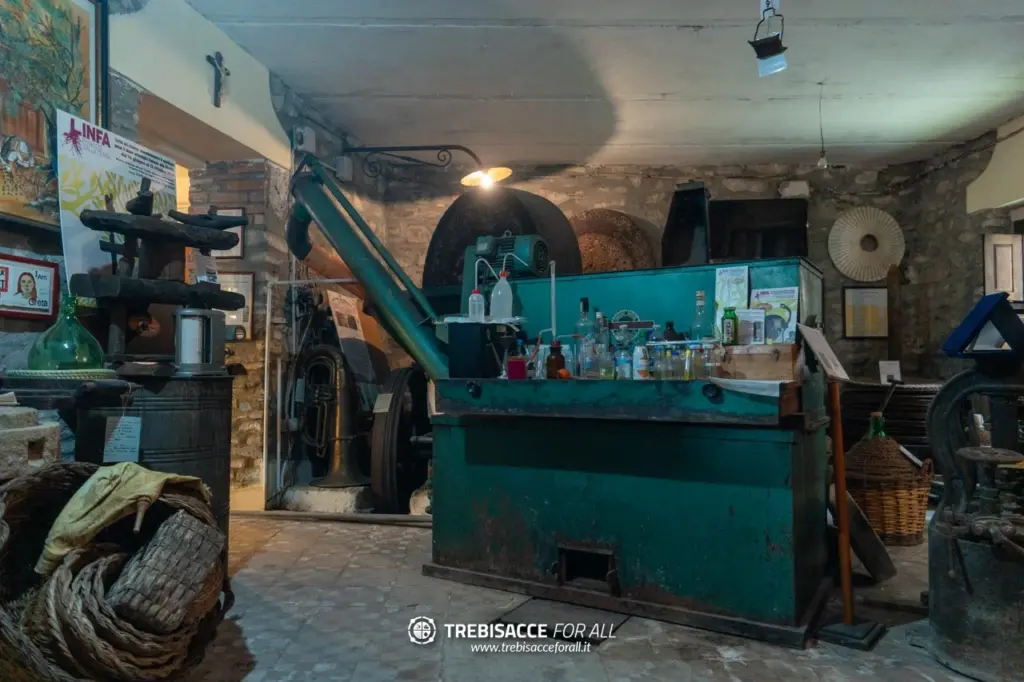
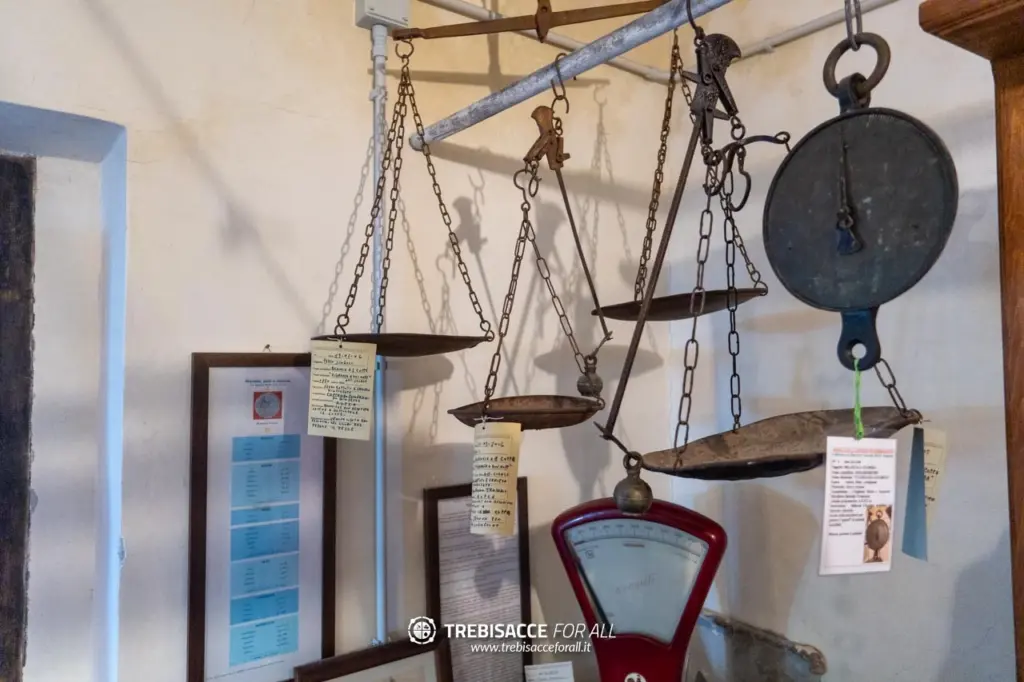
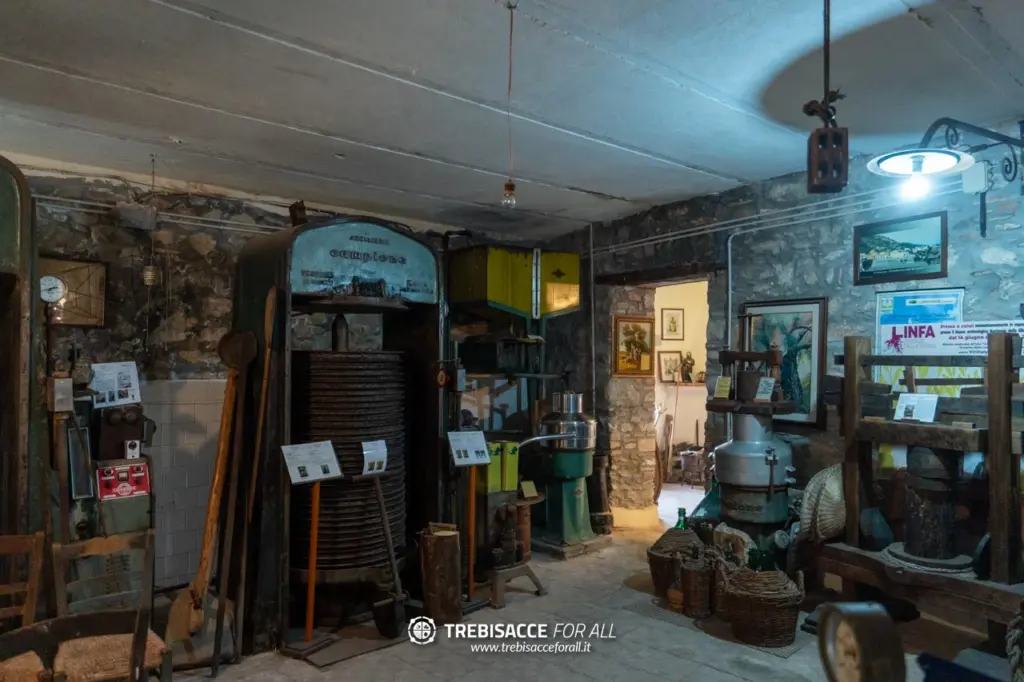
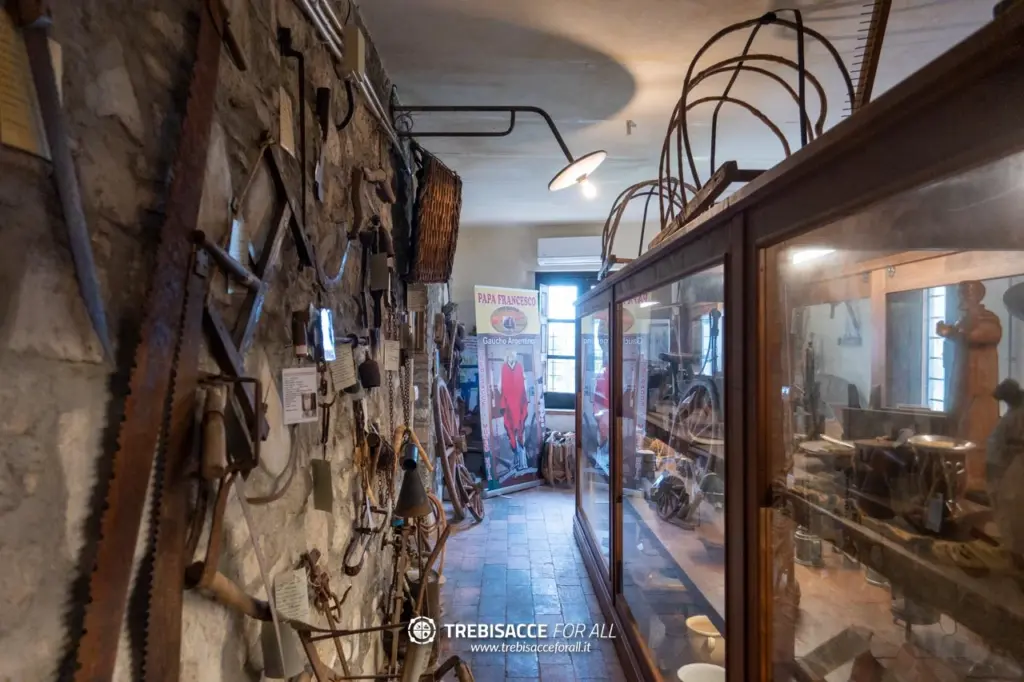
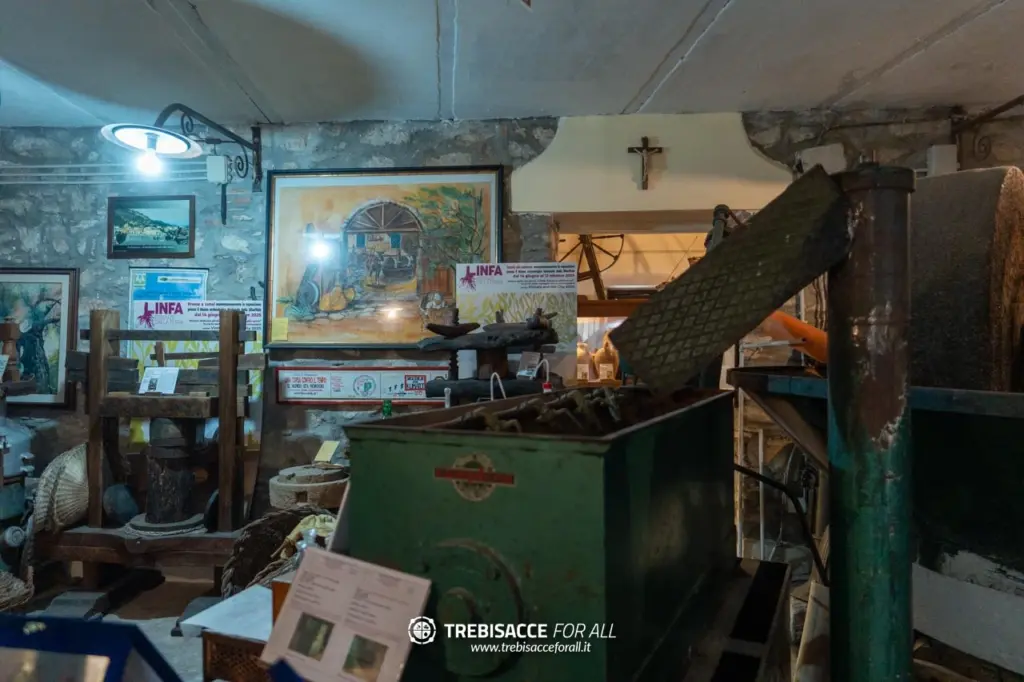
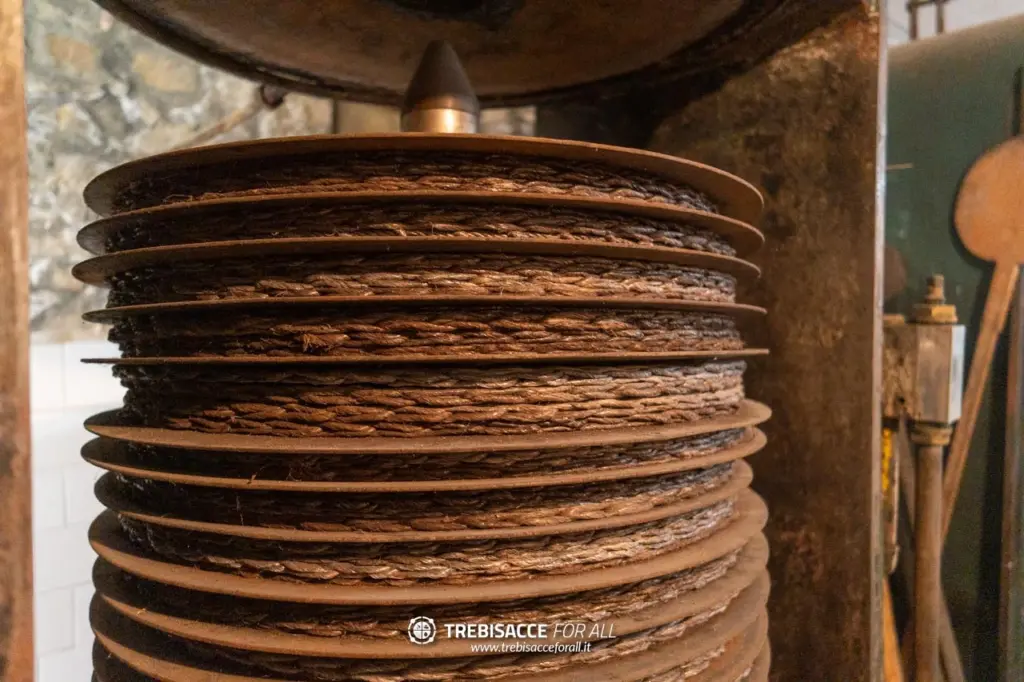
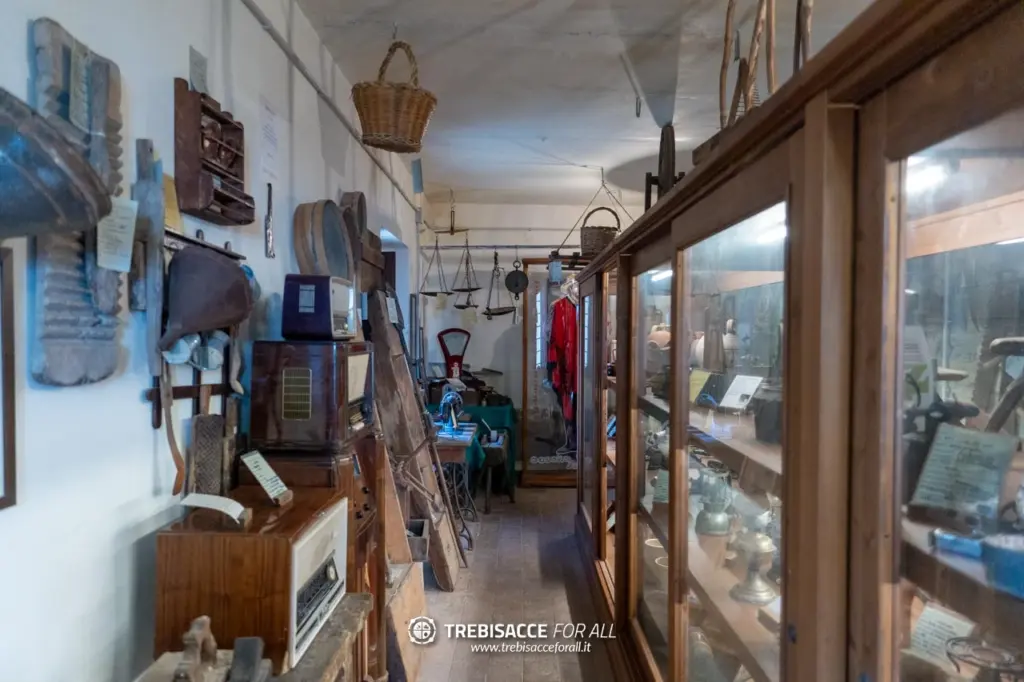
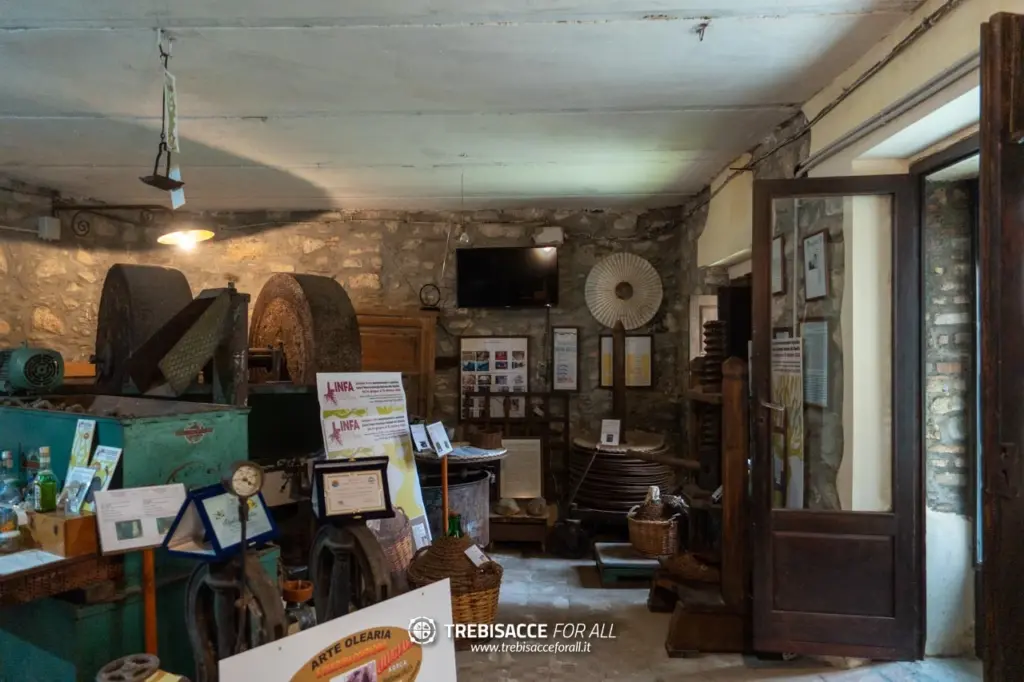
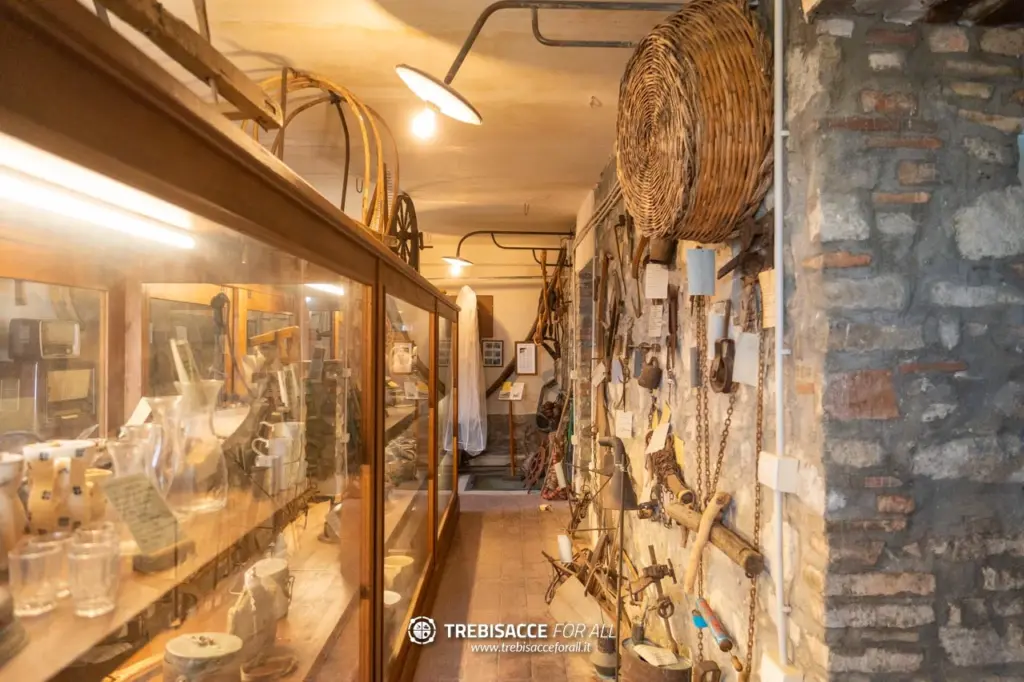
Entering, the visitor walks through a path that has the strength of authentic things. Ancient presses, stone oil mills, terracotta containers, tools for harvesting olives tell of a world in which human ingenuity dialogued with nature. Every tool is the concrete solution to a problem, every mechanism is the fruit of centuries of experience. The oil mill was, after all, a laboratory of rural technology: a place where people experimented, improved, passed down.
The vintage photographs give back faces marked by work, robust hands, proud glances. They speak of fatigue, certainly, but also of dignity. Because oil was not just a product: it was light for lamps, nourishment for families, commercial exchange, a symbol of prosperity.
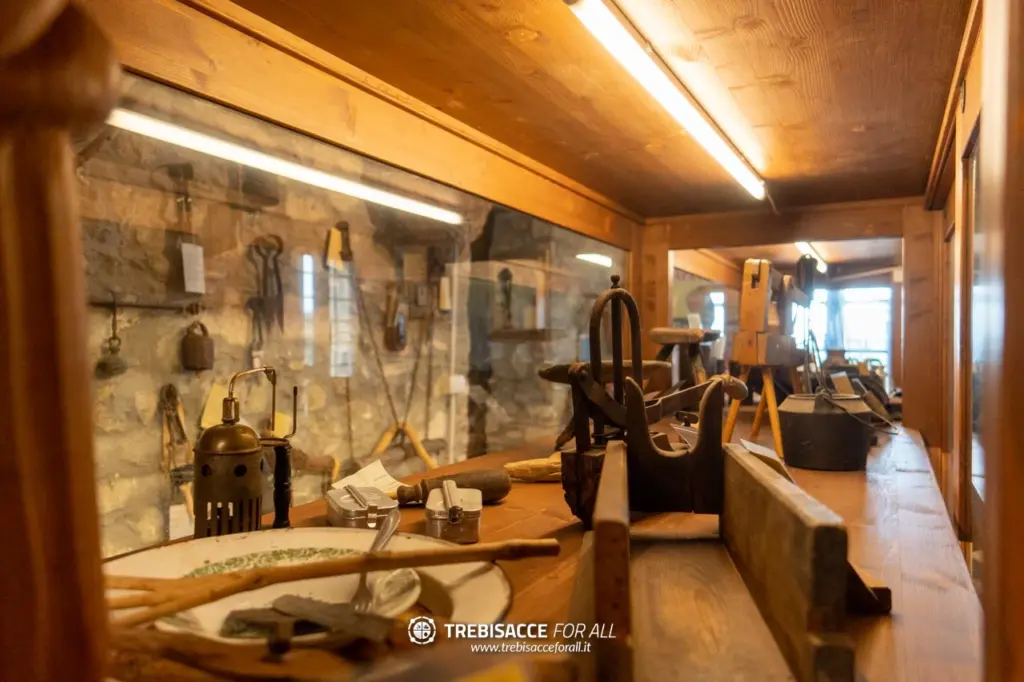
A section of the museum is dedicated to the daily life of peasant families: the oven for bread-making, the tools for weaving, the instruments for winemaking. It is a journey inside the rural house, where everything had a meaning and nothing was wasted. Here, one understands how the agricultural landscape of the Upper Ionian was not born by chance, but is the result of generations that have modeled the earth with respect and perseverance.
This museum does not look only to the past. It is a bridge that transforms memory into a project for the future. It tells the youngest that behind every bottle of oil there is a millenary history, an intangible heritage made of skills, of seasonal rituals, of a community that recognized itself around the oil mill.
Visiting the museum means rediscovering a simple truth: the land has never been just a resource. It has been a common good. And oil, the liquid gold of the Mediterranean, continues to be the thin thread that binds different generations in a narrative of work, belonging, and identity.