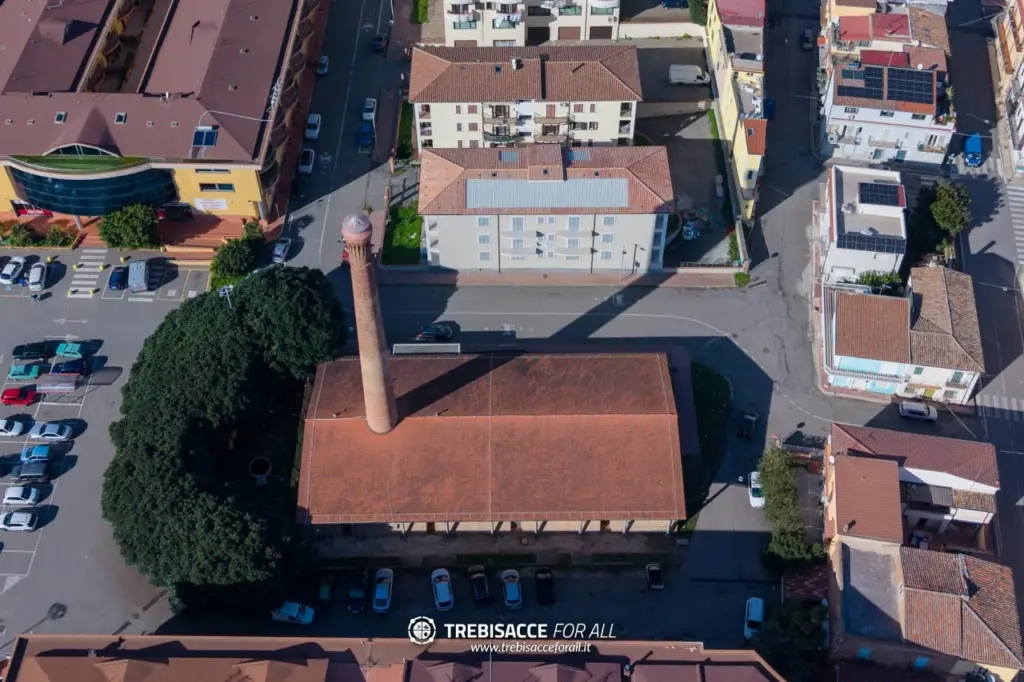
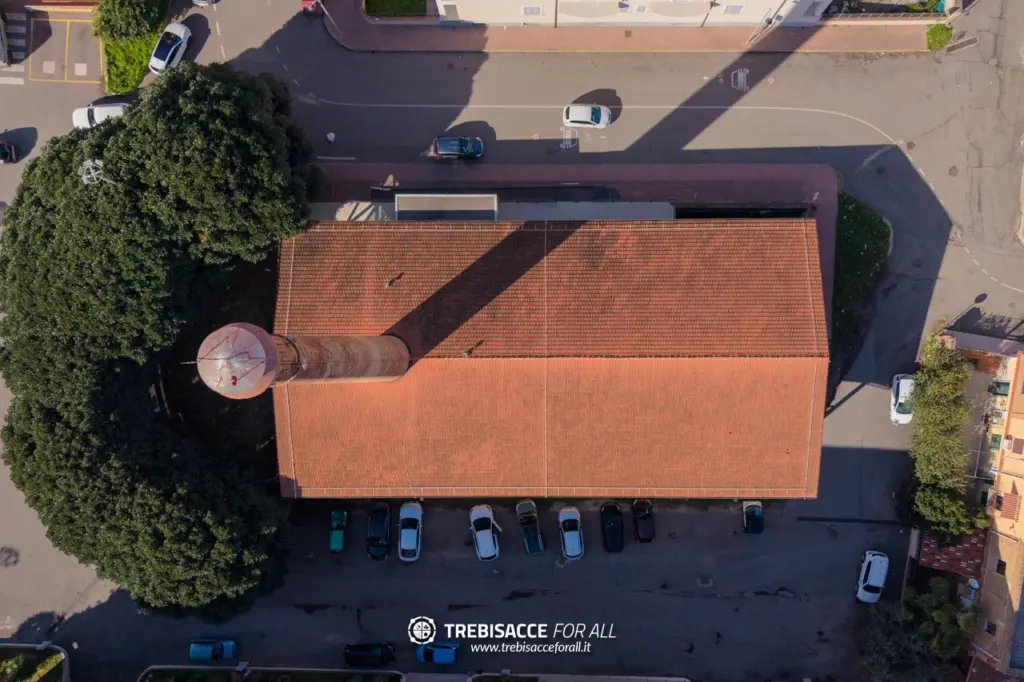
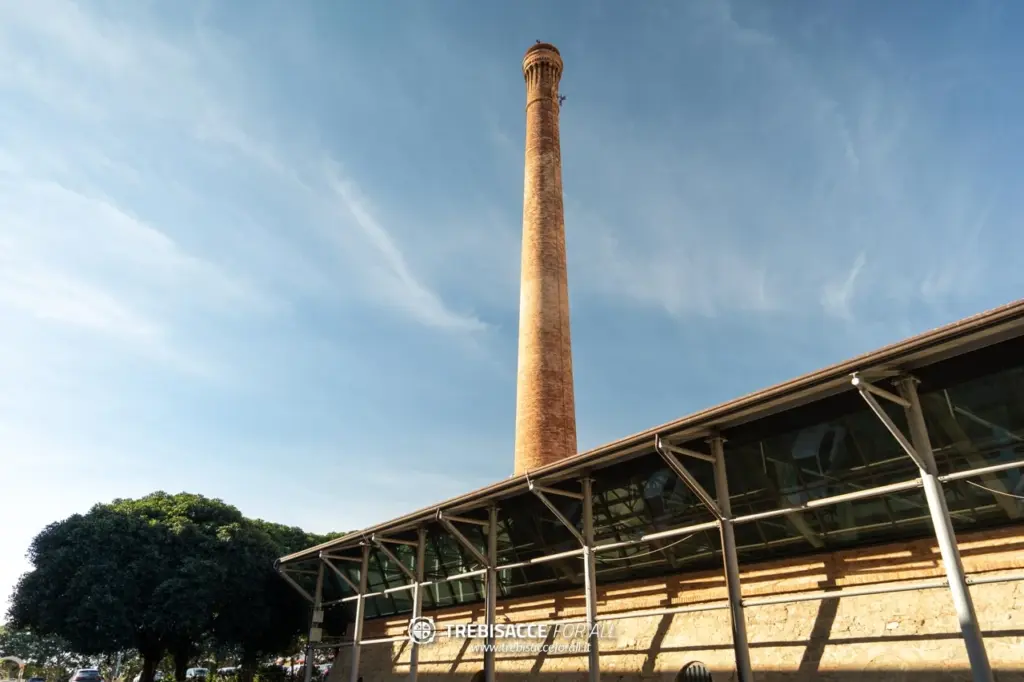
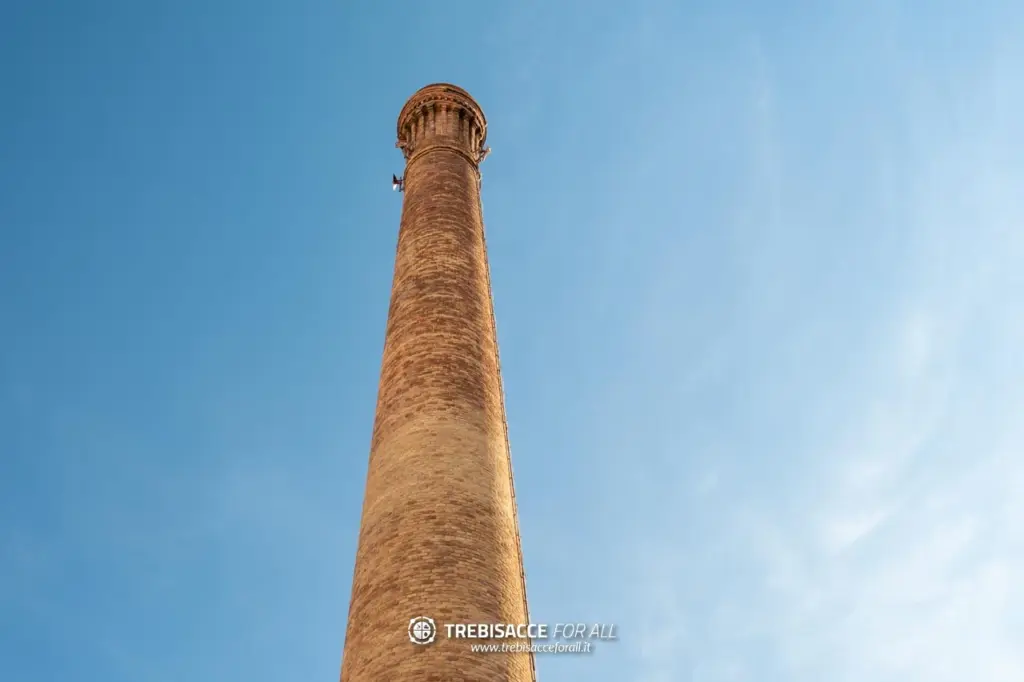
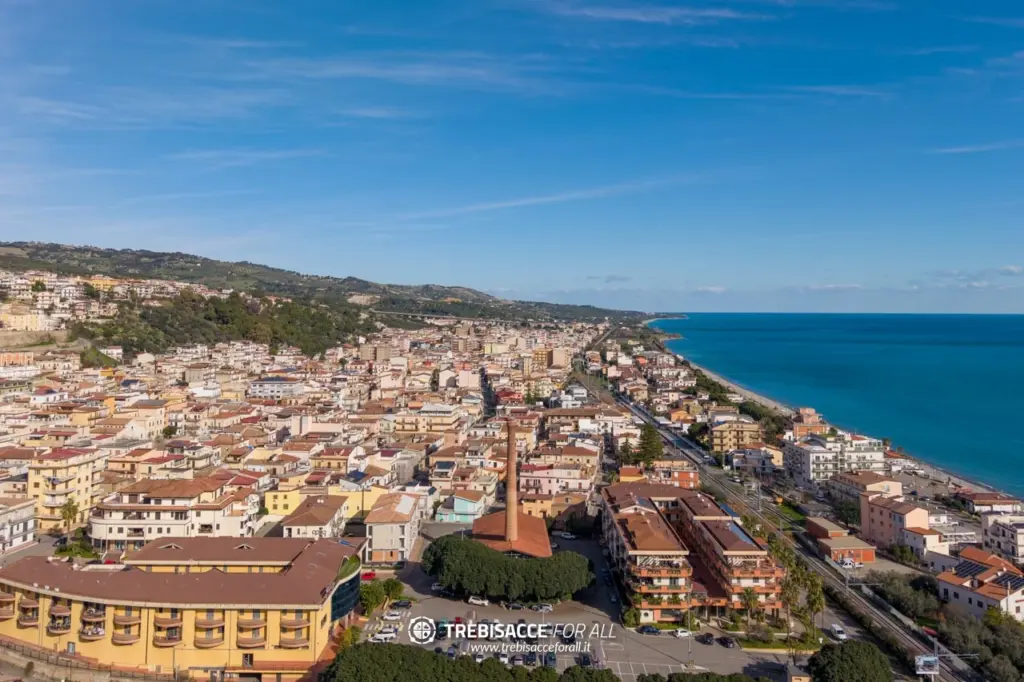
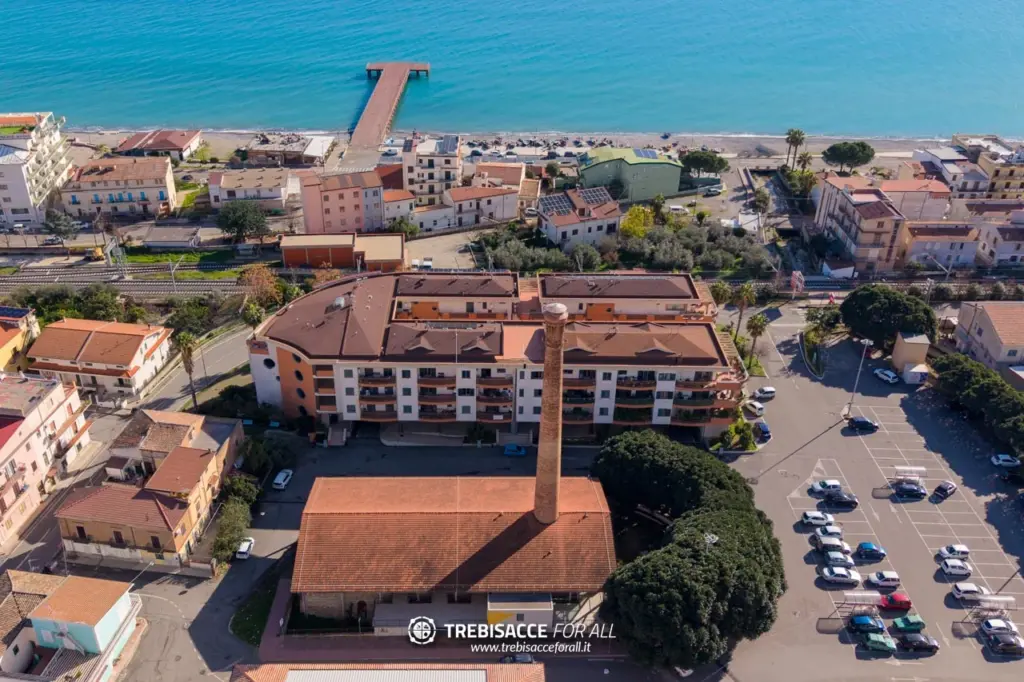
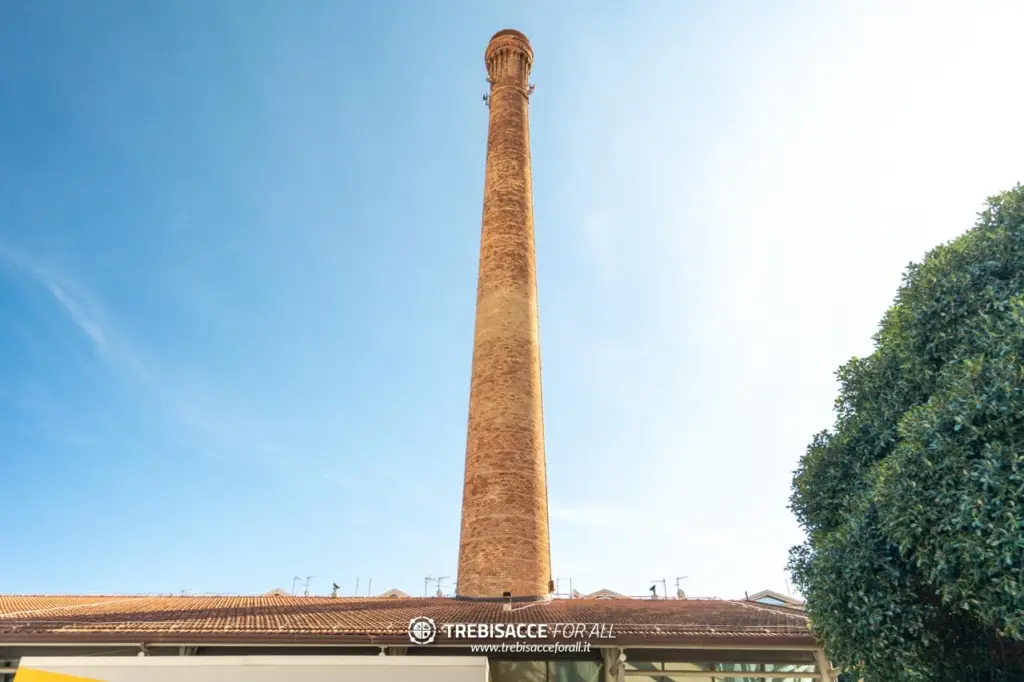
In front of the great chimney of the Fornace Aletti, one does not only observe a building: one listens to a time. It is the time of the twentieth century, when Trebisacce also enters the season of industrial modernity. The Hoffmann kiln, technologically advanced for the era, worked without pause, transforming the clay extracted from the nearby quarry into bricks. And those bricks were not just construction material: they were infrastructure of the future.
The Fornace Aletti is today a safeguard of industrial archaeology, a strong sign in the urban landscape. It tells of a season in which manual work and technique met, in which matter – the clay of the territory – became form, solidity, habitation. Here the earth became architecture and architecture became city.
The restoration has not erased this memory: it has made it legible. The chimney continues to soar like a secular lighthouse, a symbolic point of orientation. But inside, what was once production today is culture. The kiln has become a space restored to the collectivity, a place where one exhibits, tells, organizes. Events, meetings, exhibitions: new forms of energy inhabit the spaces where the industrial fire previously burned.
There is something deeply coherent in this transformation. The bricks of the kiln, once destined to build houses, today build cultural tiles. The clay of the territories continues to work, but in another dimension: no longer just matter that becomes a wall, but memory that becomes a narrative, identity that becomes a project.
The Fornace Aletti demonstrates that the places of toil can become places of meaning, that work is not only economy, but heritage. And that regeneration is not the erasure of the past, but rather its reinterpretation. Here, where the earth was transformed into brick, today the community transforms memory into vision.